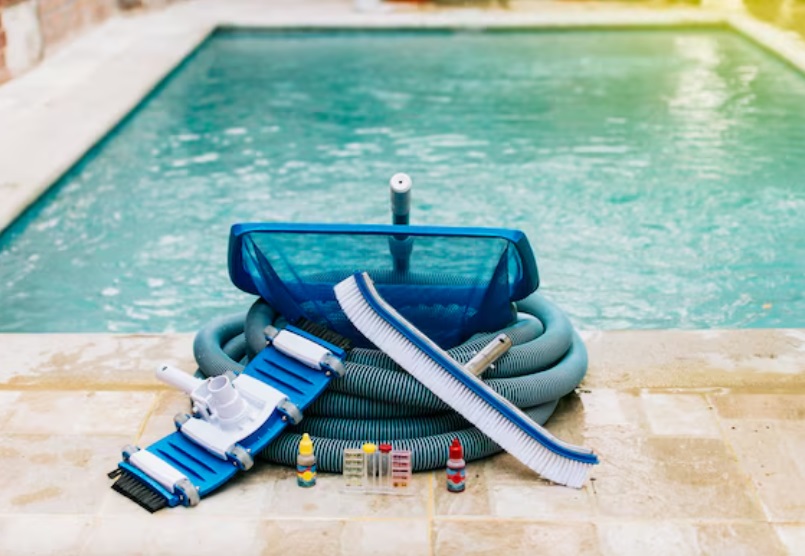
Swimming pool maintenance in Ghana is one of the most important responsibilities of every pool owner in Ghana.
Contact us today for the best quality service: 024 551 4382
Whether the pool is located in a private home, hotel, apartment complex, school, or commercial facility, proper maintenance is essential for safety, water clarity, and long-term durability. Many pool problems such as cloudy water, algae growth, strong chemical smell, and frequent equipment breakdowns are caused by poor or inconsistent maintenance.
This comprehensive guide explains how swimming pool maintenance works in Ghana, what it involves, and why professional care makes a significant difference.
Why Swimming Pool Maintenance Is Important
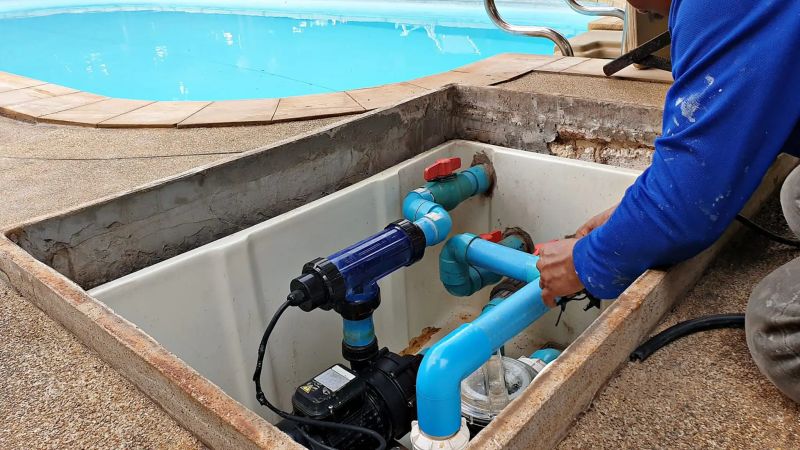
A swimming pool contains thousands of litres of water that are constantly exposed to dust, leaves, insects, body oils, sweat, and environmental debris. Without proper maintenance, this water can quickly become unsafe.
Regular maintenance helps to prevent waterborne illnesses, protects swimmers, extends the lifespan of pool equipment, reduces long-term repair costs, and keeps the pool visually appealing at all times.
Unique Maintenance Challenges in Ghana
Swimming pools in Ghana face specific environmental challenges that make maintenance especially important. Dust, heat, heavy rainfall during rainy seasons, and high usage levels can affect water quality rapidly.
High temperatures encourage algae growth, while heavy rains can disrupt chemical balance. Dust and sand often enter pools, increasing filtration and cleaning demands. These conditions require consistent and professional maintenance practices.
Routine Pool Cleaning Tasks
Routine cleaning forms the foundation of proper pool maintenance. This includes skimming debris from the water surface, brushing pool walls and floors, vacuuming settled dirt, and emptying skimmer baskets.
Failure to perform routine cleaning allows dirt to accumulate, leading to staining, algae growth, and poor water circulation. Regular cleaning ensures water remains clear and inviting.
Read also: How to Avoid Swimming Pool Construction Mistakes in Ghana
Water Chemistry and Chemical Balance
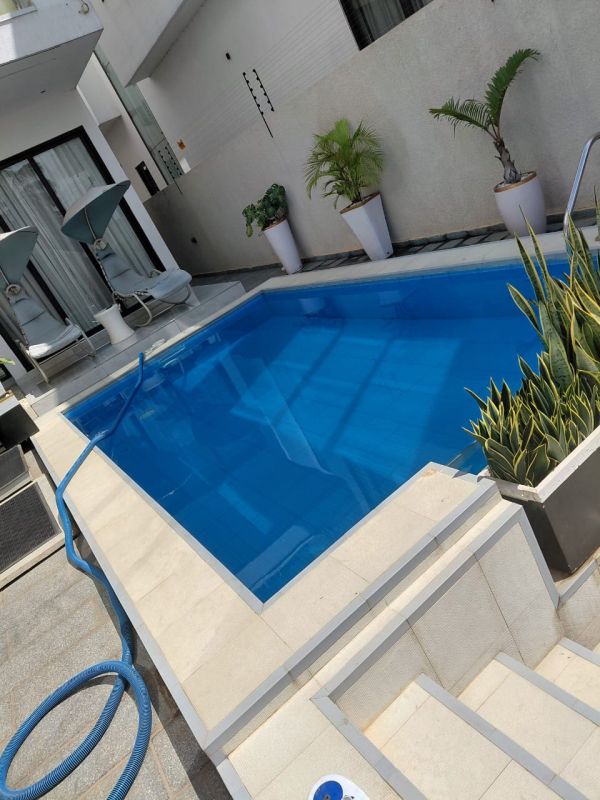
Maintaining correct chemical balance is critical to pool safety. Key parameters include chlorine levels, pH balance, alkalinity, and calcium hardness.
Improper chemical balance can cause eye irritation, skin discomfort, corrosion of metal parts, and damage to pool finishes. Professional maintenance ensures chemicals are applied accurately based on water testing, not guesswork.
Filtration System Maintenance
The filtration system is the heart of any swimming pool. It removes dirt, oils, and fine particles from the water. Poorly maintained swimming pool filters reduce water clarity and increase chemical demand.
Maintenance involves cleaning or backwashing filters, inspecting pumps, checking pressure levels, and ensuring proper circulation. A well-maintained filtration system improves efficiency and lowers operating costs.
Algae Prevention and Control
Algae is a common problem in Ghana due to warm weather and sunlight. It can make pool surfaces slippery and water unsafe.
Preventing algae requires proper circulation, consistent chlorine levels, brushing, and routine shock treatment. Once algae spreads, it becomes more difficult and costly to remove.
Seasonal Maintenance Considerations
Rainy seasons introduce debris, soil runoff, and diluted chemicals into pools. Dry seasons bring dust and evaporation.
Seasonal maintenance adjustments are necessary to maintain balance. Professional pool maintenance accounts for these changes and adjusts treatment accordingly.
Equipment Inspection and Repairs
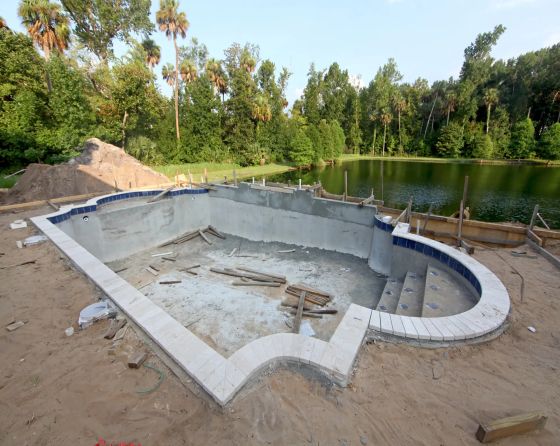
Swimming pool maintenance in Ghana is not only about cleaning water. It also involves regular inspection of pumps, filters, pipes, valves, lights, and fittings.
Early detection of equipment problems prevents major breakdowns and expensive repairs. Routine inspections help identify leaks, worn parts, and electrical issues before they worsen.
Safety and Hygiene Standards
A poorly maintained pool poses serious health risks. Slippery surfaces, broken tiles, poor water quality, and faulty electrical systems can lead to accidents and illness.
Professional maintenance ensures safety standards are maintained, especially in hotels, schools, and public pools where user safety is critical.
Cost of Pool Maintenance in Ghana
Pool maintenance costs vary depending on pool size, usage frequency, and condition. Regular maintenance is far more affordable than emergency repairs or renovation caused by neglect.
Investing in routine maintenance reduces chemical wastage, prolongs equipment life, and prevents structural damage.
DIY Maintenance vs Professional Pool Maintenance
While basic cleaning can be done by homeowners, professional maintenance offers better results. Professionals use proper testing tools, correct chemicals, and understand circulation systems.
DIY maintenance often leads to over-chlorination, poor balancing, and equipment damage. Professional service ensures consistent and safe water quality.
Why Choose Emmaco Pool for Swimming Pool Maintenance in Ghana
Emmaco Pool & General Construction provides professional swimming pool maintenance in Ghana. Our team understands local conditions, water chemistry, and equipment systems.
We offer scheduled maintenance, water testing, cleaning, equipment inspection, and expert advice to keep pools clean, safe, and efficient all year round.
Book Professional Pool Maintenance Services in Ghana
If you want your swimming pool to remain clean, safe, and attractive without stress, professional maintenance is the best solution.
Contact Emmaco Pool & General Construction today for reliable pool maintenance services tailored to your needs. Our expertise ensures your pool remains an asset, not a burden.
Contact us today for the best swimming pool maintenance in Ghana: 024 551 4382